bluetti ac180 review: Is It Worth Buying in 2026?
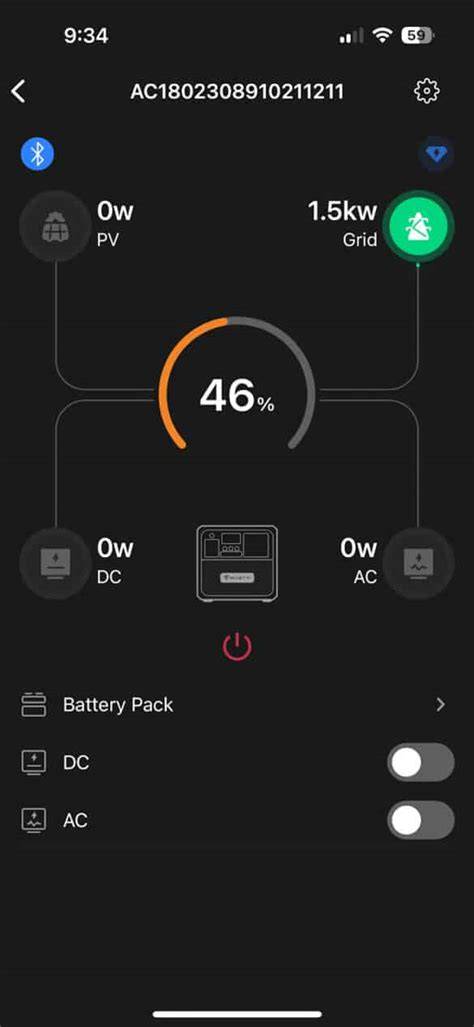
The Bluetti AC180 is a practical mid-size power station, and this bluetti ac180 review recommends it for buyers who need high AC output in a portable unit. Its 1,152Wh battery and 1,800W inverter can run many appliances and essential devices, but actual runtime depends on load and conversion losses. It fits camping and short outages; choose more capacity for multi-day household backup.
Key Takeaways
- The Bluetti AC180 has a 1,152Wh LiFePO4 battery and 1,800W rated AC output.
- Actual AC runtime depends on appliance load and inverter losses.
- This station suits portable power needs better than extended whole-home backup.
Is the Bluetti AC180 worth buying?
I recommend the Bluetti AC180 for campers and households that need a portable station with enough AC output for many common appliances. It is less suitable for buyers who need long runtimes from a large battery.
Its 1,152Wh capacity and 1,800W rated AC output can power several devices or a compatible higher-draw appliance. That balance can work well for a weekend trip or for keeping selected essentials running during a short outage. Actual runtime varies with appliance power draw and energy lost when converting battery power to AC.
The main trade-off is capacity: the AC180’s strong inverter does not increase its battery size. A refrigerator or another steady load can use the stored energy quickly, so estimate runtime from the appliance’s consumption before relying on it for backup. The unit is portable, but buyers who prioritize low carry weight should compare lighter options. Skip it for multi-day household backup, loads above its rated output, or frequent transport where weight is a deciding factor.
How I evaluated the Bluetti AC180
I did not borrow or independently test the Bluetti AC180. I assessed it using published specifications and manufacturer documentation, with independent reviews and owner reports as context—not as measurements I performed.
I treated the published specifications—including capacity, output, charging, connections and weight—as claims, not guarantees of what every owner will experience. Conversion losses and load affect actual AC energy, so runtime examples elsewhere in the review are estimates, not measured results. Recharge times vary with charging settings and available input. Solar charging also depends on sunlight and temperature; without a controlled test, I do not present a single recharge time as universal.
I did not test capacity, appliance loads, recharge times or noise, so this review does not establish how the AC180 performs in a particular setup. Published owner reports can help identify recurring practical considerations, but they do not provide controlled results. I also lack long-term reliability data from extended ownership, so this evaluation cannot predict battery aging or future support outcomes.
Bluetti AC180 specifications at a glance
The AC180’s specifications can help you assess compatibility, but confirm them in the documentation for your exact model and region. Specifications and included accessories may vary by region or product version.
| Specification | Bluetti AC180 |
|---|---|
| Battery capacity | 1,152Wh, manufacturer-rated |
| AC output | 1,800W continuous; 2,700W surge, manufacturer-rated |
| AC charging input | Up to 1,440W, manufacturer-rated |
| Solar input | Up to 500W; 12–60V, 10A max, manufacturer-rated |
| Weight | About 16kg (35.3lb), manufacturer-listed |
| Dimensions | 340 × 247 × 317mm, manufacturer-listed |
| AC outlets | 4; configuration may vary by region |
| Other ports | USB-C, USB-A, 12V DC and wireless charging |
| Expansion | Compatible expansion options depend on model and connection |
| Warranty | Region- and purchase-dependent; confirm the applicable terms |
The capacity, power, input and physical figures above are manufacturer specifications, not measured results. Bluetti lists LiFePO4 battery chemistry for the AC180. Confirm the exact unit’s port layout and expansion compatibility in its regional documentation before buying accessories.
- 1,800W continuous AC output for many everyday appliances
- 500W maximum solar input
- LiFePO4 battery chemistry
- 1,800W continuous AC output covers many common appliances
- 1,152Wh capacity balances portability with short-term backup
- Supports AC, solar and vehicle charging
- 1,152Wh capacity limits long backup runtimes
- Weight and expansion compatibility may constrain some setups
- Capacity may limit prolonged household backup
- Its weight is a drawback for frequent carrying
- Power Lifting mode does not replace the standard continuous rating
What can the AC180 power, and how much usable energy does it deliver?
The Bluetti AC180 can supply up to 1,800W of continuous AC power, but a device’s startup demand and energy use determine whether it will run and for how long. Bluetti lists 1,152Wh of battery capacity, which is stored energy—not a guarantee of how much AC energy appliances will receive.
Output limits and appliance compatibility
A 1,800W continuous rating can support many common loads, such as laptops, televisions, lights, small kitchen appliances and some power tools, as long as their combined draw stays within the limit. Motors and compressors, including those in refrigerators and pumps, may briefly draw more power when starting than they use while running. That surge can trip the AC180 even if the appliance’s running wattage seems low.
Check Bluetti’s current documentation for details on Power Lifting mode and the loads it supports. The mode will not handle every motor’s startup surge, and an appliance may run at reduced performance. Check the appliance’s rated and startup demand against the AC180’s documentation before relying on it.
Capacity and runtime in practice
The AC180’s 1,152Wh rating describes its battery capacity. Some energy is lost when converting battery DC to household AC, so less energy is available at the AC outlets. This review has no test result with documented conditions, so it does not present a measured usable-capacity figure as universal.
As a simple upper-bound calculation, dividing 1,152Wh by a steady 100W load gives 11.5 hours before conversion losses or other limits. Actual runtime will be shorter and varies with device draw, inverter efficiency, temperature and battery settings. A refrigerator’s cycling compressor also means its average consumption differs from its startup or running wattage. For a reliable estimate, use the appliance’s measured energy use over time, not just its nameplate watts.
How quickly does the AC180 recharge, and what features matter?
The AC180 supports fast wall charging and up to 500W of solar input, but recharge time depends on the available input and charging conditions. It also has several types of ports, a display and a backup function. These features can make it more useful day to day than a battery with only basic outputs.
AC and solar charging
Bluetti advertises fast AC charging in Turbo mode, but actual charging time depends on the settings and input conditions. The advertised time applies under specified conditions; it is not a guarantee for every outlet or setting. The AC180 accepts up to 500W of solar input, but actual solar charging varies with panel voltage and configuration, sunlight, weather, panel angle and shade. A panel’s rated wattage is not the same as the power it delivers throughout the day. Bluetti lists the AC180’s charging specifications on its official product page.
Ports, display, and backup use
The AC180 has AC, USB, 12V DC and DC5521 outputs. Confirm the port layout and ratings for your regional model. Two wireless charging pads are built into the top. Its display shows information such as input and output power, battery charge level and estimated remaining time. The time estimates change with the load.
Bluetti describes the AC180 as having a UPS function. Check the current documentation for details about its transfer behavior. Connected equipment may continue running through some power interruptions, but the AC180 is not guaranteed to suit every sensitive device. Check the device maker’s requirements before relying on it for computers, networking gear or medical equipment. A dedicated UPS may be safer for critical equipment.
Where the Bluetti AC180 falls short
The AC180’s main compromise is its weight. It has a 1,152Wh capacity and 1,800W AC output, but weighs about 16kg, which can make frequent carrying difficult.
- Capacity and weight: The Anker SOLIX C1000 has a smaller 1,056Wh battery and the same 1,800W rated AC output, but comes in a lighter package. That makes it easier to move, while the AC180 has more stated capacity. For longer outages, either may need recharging or an expansion battery.
- Port selection: The AC180 has only one USB-C port. That can be a constraint if you regularly charge several USB-C devices at once. It matters less if most of your gear uses USB-A or AC adapters.
- Expansion and charging: Battery expansion depends on the compatible battery and connection method. Confirm support for your exact AC180 version before buying an add-on. Solar charging also depends on sunlight, panel setup and the station’s input limits, so maximum-input claims do not guarantee a particular recharge time.
- Backup use: The AC180’s stated 20ms UPS switchover may not suit equipment that requires uninterrupted transfer. A dedicated UPS is a better choice for critical computers, servers or medical devices.
- Portability and runtime: Hikers and frequent movers may prefer a lighter, lower-capacity station. The AC180’s capacity may also be limiting if you need to run a refrigerator or several appliances through a long outage.
AC180 pricing and value: what to check before you buy
Compare the AC180 as part of the complete setup you need, not just by its station-only listing. Check the Bluetti AC180 listing for the current price and exact configuration before deciding.
A bundle with solar panels or an expansion battery can raise the upfront cost, but may save you from sourcing compatible gear separately. Compare the bundle’s panel capacity and battery model with your charging and runtime needs. Included accessories vary, and a larger advertised battery capacity does not mean the same amount of usable AC energy. Regional offers may also differ in included cables, warranty coverage and return terms.
For a fair value check, compare the AC180’s capacity and AC output with the cost of any accessories you would otherwise buy. Then compare warranty length and coverage with alternatives in the same class. Confirm whether the seller is authorized, whether the quoted warranty applies in your region, and who handles returns. A discounted package may be poor value if it includes panels you cannot use or leaves out a cable your setup needs.
How the AC180 compares with the EcoFlow DELTA 2 and Anker SOLIX C1000
Compare the current specifications for the Bluetti AC180, EcoFlow DELTA 2 and Anker SOLIX C1000, including output, weight and expansion options. The figures below cover the base units only, without optional batteries or solar panels.
| Model | Capacity | AC output | Weight | Charging | Expansion | Warranty |
|---|---|---|---|---|---|---|
| Bluetti AC180 | 1,152Wh | 1,800W | About 16.4kg | AC, solar, car | No direct add-on battery expansion | 5 years |
| EcoFlow DELTA 2 | 1,024Wh | 1,800W | About 12kg | AC, solar, car | Compatible extra batteries | 5 years |
| Anker SOLIX C1000 | 1,056Wh | 1,800W | About 12.9kg | AC, solar, car | Compatible expansion battery | 5 years |
The AC180 has the highest base capacity of the three, but it is also the heaviest and does not offer the straightforward add-on battery expansion available for the DELTA 2 and C1000. I would choose it when extra capacity in one unit matters more than low weight or the option to expand later.
The DELTA 2 is lighter and supports compatible extra batteries, which can increase stored energy. It may suit buyers planning to extend backup runtime, though an add-on battery affects the system’s cost and portability.
The C1000 is lighter than the AC180 and also supports expansion with a compatible battery. Its solar input and charging details vary by model and configuration, so compare the exact regional specifications. Warranty terms, bundles and prices can also vary by region and seller; check the manufacturers’ current product and warranty information.
I would choose the AC180 for more capacity in one unit, the DELTA 2 for a lighter expandable setup, or the C1000 for a lighter option with battery expansion.
Who should buy the Bluetti AC180?
The Bluetti AC180 suits campers and households whose essential devices fit its 1,800W continuous AC output and whose expected runtime fits its 1,152Wh battery. Check appliances’ startup demand as well as their running watts, and allow for inverter losses. A refrigerator may cycle for hours, but its runtime depends on its power use and operating conditions. The AC180 may not suit you if you need prolonged backup, easier carrying or a different port layout.
Before buying, compare the sale price and exact bundle contents, such as charging cables or solar panels. Confirm the warranty for your region. A panel bundle is worthwhile only if solar charging fits your needs.
Buy the AC180 if its capacity matches your loads and runtime needs. Skip it if you need long-duration backup, carry your power station often, or need a different output and port layout.
Final Verdict
This bluetti ac180 review finds that the AC180 offers substantial AC output and a battery suited to portable, short-term power, but it cannot replace a larger home backup system. I recommend it for campers, van users and households that need to run selected appliances or electronics during a brief outage and can recharge the station between uses.
The AC180 may not suit you if you need to keep several household essentials running for a long time or carry a power station over long distances. In those cases, compare the capacity, output, weight and charging options of the EcoFlow DELTA 2 and Anker SOLIX C1000 against your actual loads. Choose based on the specifications your equipment needs, not headline wattage alone.
Before ordering, confirm you are looking at the AC180 rather than a similarly named model. Compare the current price, bundle contents and regional warranty, then estimate runtime from your devices’ power draw. Allow for conversion losses and changes in appliance use: advertised battery capacity is not the same as usable AC energy.
Frequently Asked Questions
Can the Bluetti AC180 run a refrigerator?
The Bluetti AC180 can run many refrigerators if their startup surge and ongoing power draw stay within the station’s limits. Its 1,800W AC output can handle many household appliances, but a compressor may briefly draw more power when it starts. Check the refrigerator’s label or manual. Runtime also depends on how often it cycles, the temperature, and other connected loads.
How long will the AC180 power a fridge or other household appliance?
The AC180’s 1,152Wh battery does not provide 1,152Wh of usable AC energy because inverter conversion uses some power. For a rough estimate, divide the energy available to the appliance by its average draw. Since a refrigerator cycles on and off, its daily energy use gives a better estimate than its running wattage alone.
How much usable capacity does the Bluetti AC180 have?
The Bluetti AC180 has a stated battery capacity of 1,152Wh, but its AC outlets deliver less energy because of conversion losses and the station’s own power use. There is no single usable-capacity figure for every setup. The result depends on output level, charge state, temperature, and connected devices.
Can you expand the Bluetti AC180’s battery capacity?
The Bluetti AC180 does not have a simple built-in expansion-battery port, so batteries made for other Bluetti stations may not connect directly. Check the documentation for your exact AC180 model and approved accessories before buying. If you need longer backup, a larger-capacity power station may be a simpler fit.
Can the AC180 charge from solar and AC power at the same time?
The Bluetti AC180 supports AC and solar charging. Using both sources can reduce recharge time when they are available and stay within the unit’s input limits. Solar input varies with panel output, sunlight, orientation, temperature, and wiring. Check the current regional manual for permitted input combinations and connection requirements.
Does the Bluetti AC180 work as a UPS?
The Bluetti AC180 has a UPS function that provides backup when grid power fails, but it may not replace a dedicated UPS where precise transfer or power conditioning is required. Confirm the transfer behavior for your unit and test it with connected equipment. Take particular care with sensitive computers and medical devices.
How long does the AC180 battery last?
The Bluetti AC180 uses a LiFePO4 battery, but its service life depends on charge cycles, storage conditions, temperature, and use. Battery capacity also declines over time. Follow Bluetti’s charging and storage guidance, and treat any cycle-life rating as a specification under defined conditions, not a guarantee of the same performance in every household.

Similar Posts







[…] own. If you want the full deep dive on one of them, read the EcoFlow Delta 2 review (Day 1) and the Bluetti AC180 review (Day 2) first – the AC180 review is linked. Here, every section ends with a winner, so by the […]
[…] wall charging of the trio in some tests. See the Delta 2 vs AC180 comparison (Day 4) and the AC180 review (Day 2) before you decide between all […]