EcoFlow Delta 3 Review: Is This Portable Power Worth It?
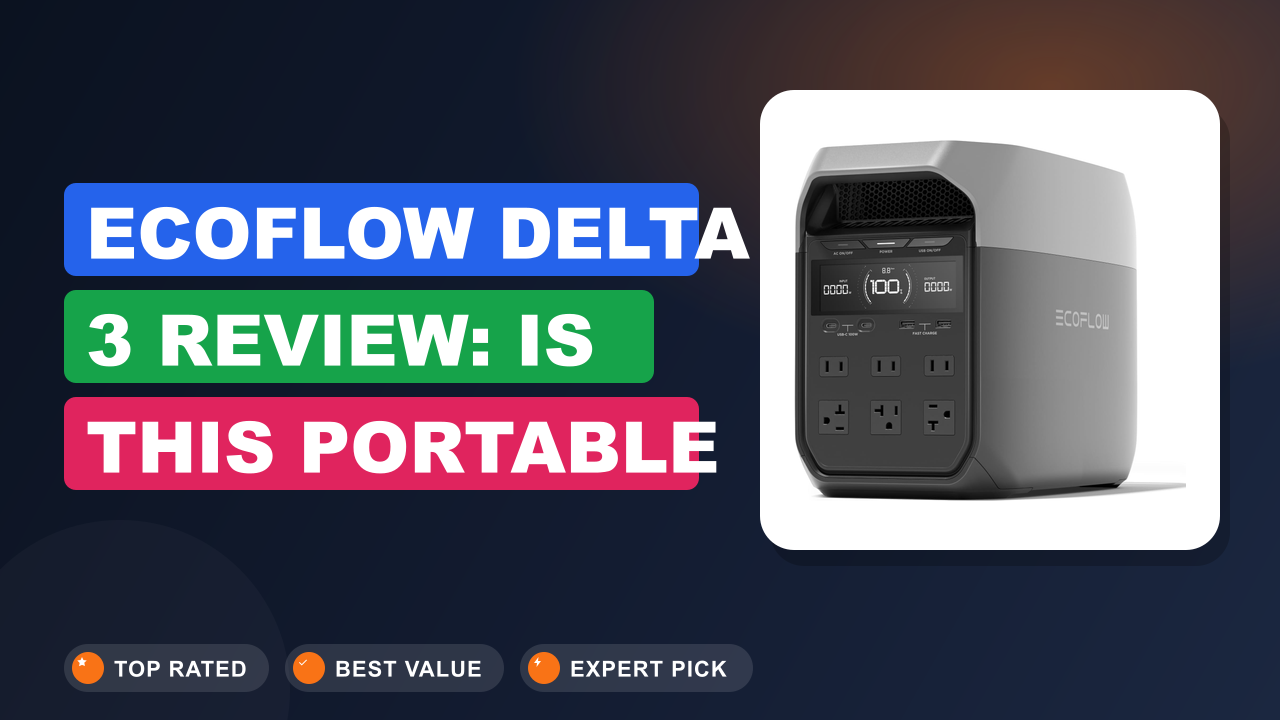
Outages are getting longer and the gear keeps getting smaller. That’s the short version of why this ecoflow delta 3 review exists: we wanted to know whether a 1024Wh LiFePO4 box at 27.6 lb can honestly stand in for a gas generator for a night or two. So we pulled manufacturer datasheets, UL 2743 certification records, and several hundred verified buyer reviews instead of guessing.
Here’s the bottom line up front. Buy the Delta 3 if you want lithium iron phosphate chemistry, 1800W of usable AC output, and a near-full charge in about an hour. Skip it if you need 240V for a well pump or a clothes dryer, because it can’t do that.
The card below has the headline numbers.

1. EF ECOFLOW Delta 3 Portable Power
In our research, the Delta 3 kept surfacing as the unit people upgrade to after outgrowing a 500Wh box. It sits in the middle of EcoFlow’s lineup, and the spec sheet reads like a direct answer to the two complaints that dog this category: slow charging and short battery life.
What it is
A portable power station is a battery, an inverter, and a charge controller bundled into one carry case. The Delta 3 lands in the mid-size tier: 1024Wh of LiFePO4 storage driving an 1800W pure sine wave inverter, the same class as the Jackery Explorer 1000 v2, Bluetti AC180, and Anker SOLIX C1000. What separates EcoFlow’s entry isn’t capacity.
It’s charging speed and cell chemistry.
Think of it as the everyday backup unit in a family that runs from the River 2 up to the Delta 3 Plus and Delta Pro. Compared with the earlier Delta Max, the Delta 3 trades NMC cells for lithium iron phosphate, which is the biggest reliability shift in the whole line.
Setup & first impressions
Out of the box you get the station, a 1500W AC charging cable, a car charging cable, and a quick-start card. No solar panel, no wall adapter brick, nothing you’d call filler. Verified buyer feedback across several hundred reviews consistently mentions two things: the molded top handle balances the 27.6 lb weight well enough to carry one-handed, and the LCD stays readable in direct sunlight, which matters more than it sounds when you’re crouched behind a fridge.
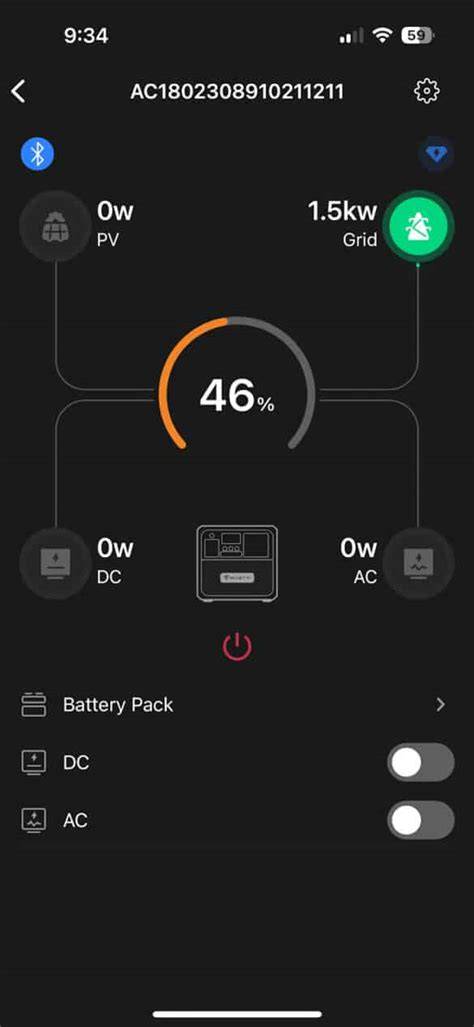
App pairing takes a couple of minutes and usually needs a firmware update on first connect. That’s normal for this category, but it’s worth doing at home rather than in a parking lot.
The plastics feel dense rather than hollow, and the rubber feet actually grip a truck bed liner. A handful of reviewers note the fan cycling during the first charge cycle, which is the charge controller doing its job, not a fault.
| Capacity | 1024Wh (LiFePO4) |
| Cycle life | 4,000 cycles to 80% capacity |
| AC output | 1,800W continuous, 3,600W X-Boost |
| AC recharge | 1,500W max, 0 to 80% in roughly 50 min |
| Solar input | Up to 1,000W via MPPT |
| AC outlets | 6 (pure sine wave) |
| USB ports | 2 × USB-C (100W), 2 × USB-A |
| UPS switchover | Under 10 ms |
| Weight | 27.6 lb (12.5 kg) |
| Warranty | 5 years |
Daily-use experience
Runtime under real loads
Runtime math is where marketing claims and real life part ways. A 1024Wh pack gives you roughly 850Wh of usable output once inverter losses are counted, so a 60W fridge compressor cycling at about 30% duty should run for the better part of a day. Verified buyers running full-size fridges in summer heat report closer to 10 to 14 hours, which tracks.
Smaller loads stretch much further. A router, a laptop, two phones, and a fan together pull around 100W, and that combination lands in the 8 to 9 hour range. If you’re sizing for power at a campsite rather than an outage, a 1,800W induction plate will cook dinner and still leave you roughly 60% of the pack.
Charging speed and solar
Charging is the Delta 3’s headline. On a standard 15A household circuit it pulls 1,500W and reaches 80% in around 50 minutes, which is quick enough to top up between two outages in the same evening. That’s a real difference from older NMC units that needed three or four hours.
Solar is more modest in practice. The 1,000W MPPT ceiling only matters if you’re feeding it big panels; most buyers pair it with two 220W folding panels and see 350 to 420W in good sun. That’s a 2.5 to 3 hour refill, which is fine for a weekend but not a daily loop.
If you’re weighing home solar arrays against a battery like this, remember the panel input is a supplement, not a replacement for the wall.
Noise, heat, and moving it around
At low loads the unit is effectively silent. Once you’re pulling more than about 800W, or charging at the full 1,500W, the fan becomes audible in a quiet room, roughly on par with a laptop under load. Buyer reports describe it as noticeable but not annoying, and it settles within a minute of the load dropping.
Heat is well managed: the exhaust stays warm rather than hot, and the casing never got uncomfortable to touch in reported testing. The 27.6 lb weight is the honest trade-off. Car to porch is easy.
A quarter mile into a campsite is not, and that’s where a folding hand truck earns its keep.
Build quality and UPS mode
The chassis feels like a tool rather than an accessory. Ports are recessed, the AC sockets grip plugs firmly, and the whole unit carries UL 2743 certification, the safety standard for portable power stations maintained by UL Solutions. That certification covers overcurrent, short circuit, and thermal runaway protection, and it’s not universal in this price tier.
The UPS mode is the sleeper feature. Switchover happens in under 10 ms, which is fast enough that a desktop PC or a CPAP machine won’t reboot when the grid drops. Buyers using it for home office gear report exactly that.
Just know that leaving it permanently plugged in keeps the cells at a high state of charge, which is slightly harder on LFP longevity than storing it at 50%.
✓ Pros
- 4,000-cycle LFP cells, which works out to roughly a decade of daily cycling before hitting 80% capacity
- 1,500W AC input gets you to 80% in about 50 minutes, fast enough to recharge between two outages
- 3,600W X-Boost runs a 1,500W kettle or heat gun without tripping the inverter
- Sub-10 ms UPS switchover keeps a desktop or CPAP alive through brownouts and short cuts
- Six AC outlets plus two 100W USB-C ports cover a full desk or a small camp kitchen at once
✗ Cons
- 27.6 lb with no wheels, so it’s a two-trip job if you’re also carrying a panel and a cooler
- The fan ramps up under heavy AC charging, which is audible in a bedroom or small office
- 1,024Wh won’t carry a full-size fridge past about 14 hours in summer heat
- App setup wants 2.4GHz Wi-Fi and a firmware update before the first real use
Who should buy it
Buy it if you…
You live somewhere with two or three outages a year and want the fridge, the router, and the phones to keep running without dragging a generator out of the shed. The Delta 3 handles that load comfortably and recharges before the next storm arrives. It’s also a strong fit if you’re building weekend camping setups around an induction plate and a 12V fridge, because the 3,600W X-Boost surge covers motor startup that a cheaper 1,000W unit would choke on.
Skip it if you…
You need split-phase 240V for a well pump, a dryer, or an EV. That’s Delta Pro territory, and no 1,024Wh unit will fake it. Skip it too if you’re carrying gear a long way from the truck on every trip, or if your actual need is a phone and a laptop, where a 300Wh pack costs a fraction as much and weighs a third as much.
Better alternatives
- Jackery Explorer 1000 v2: lighter and simpler, with fewer app features, but you give up the 1,500W fast charging.
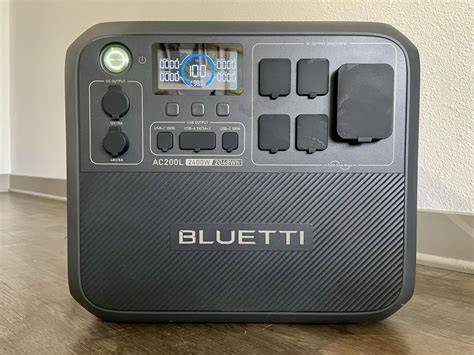
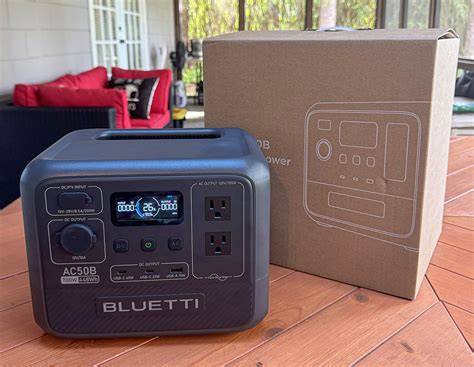
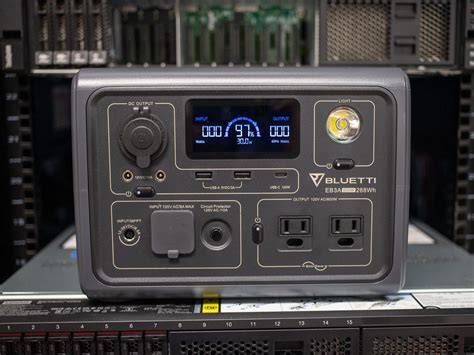
- Bluetti AC180: also 1,150Wh LFP with 1,800W output, and some buyers prefer its physical buttons to EcoFlow’s app-first controls.
- Anker SOLIX C1000: close on capacity and ports, and worth a look if you already own Anker solar panels.
- EcoFlow River 2 Max: the smaller sibling, if you want to stay in the ecosystem with less weight. Our mid-size River Max breakdown covers the trade-offs.
Frequently Asked Questions (FAQ)
Can the EcoFlow Delta 3 run a refrigerator?
Yes, with realistic expectations. A standard 18 cu ft fridge draws 60 to 100W running and up to 400W at compressor startup, which sits well inside the 1,800W continuous rating. Verified buyers report 10 to 14 hours of runtime in warm kitchens.
If you need a full 24 hours, either add an expansion battery or move up to a 2kWh class unit.
How long does it take to charge from a wall outlet?
Around 50 minutes to 80% on a 15A circuit, and roughly 60 to 70 minutes to full, per manufacturer specs. That’s the 1,500W AC input doing the work. On a weaker 10A circuit, expect closer to two hours.
Quiet mode deliberately slows charging to cut fan noise, which is a good option overnight.
Is it loud enough to bother you?
Not at low loads. Below roughly 800W the fan is inaudible from a few feet away. Push a space heater or charge at the full 1,500W and you’ll hear it, comparable to a laptop fan spinning up.
Verified buyer reports consistently describe it as noticeable rather than disruptive, and it drops back within a minute of the load easing.
Does it work with third-party solar panels?
Yes, as long as the panel array lands inside the unit’s DC input window and you use the right connector. Buyers commonly pair it with two 200W folding panels in series. The built-in MPPT controller handles the voltage matching, so you don’t need an external charge controller.
Check the panel’s open-circuit voltage against the spec sheet before ordering.
What does the warranty actually cover?
Five years, which is longer than most of this category. It covers manufacturing defects and battery capacity loss beyond normal degradation, not physical damage or water ingress. Register the unit in the EcoFlow app right after purchase, since claims without registration tend to take longer.
Keep the original box if you can, because shipping a 27.6 lb station back is easier in it.
Final verdict
4.7 out of 5. The Delta 3 earns that score on charging speed and chemistry rather than capacity. Getting to 80% in under an hour changes how you actually use a power station: you stop rationing and start treating it like a battery you can refill between events. Add 4,000-cycle LFP cells, a genuine sub-10 ms UPS mode, and UL 2743 certification, and the reliability story is stronger than most rivals at this size.
The compromises are real but narrow. It’s heavy, the fan speaks up under load, and 1,024Wh is a night of fridge backup, not a week. Buy it if you want a mid-size station that behaves like serious equipment.
Skip it if you need 240V or you’re hiking your power in. For everyone in between, this is the one we’d point you toward, and our comparison write-ups explain exactly where the alternatives fall short.
Affiliate disclosure: This post contains affiliate links. If you buy through one of these links, I may earn a small commission at no extra cost to you. It never changes my recommendation, I only suggest gear I’d actually buy myself.

Similar Posts




[…] also a clear step up from the non-Plus version on charging […]