Solar Energy for Home: Complete Guide to Powering Your House
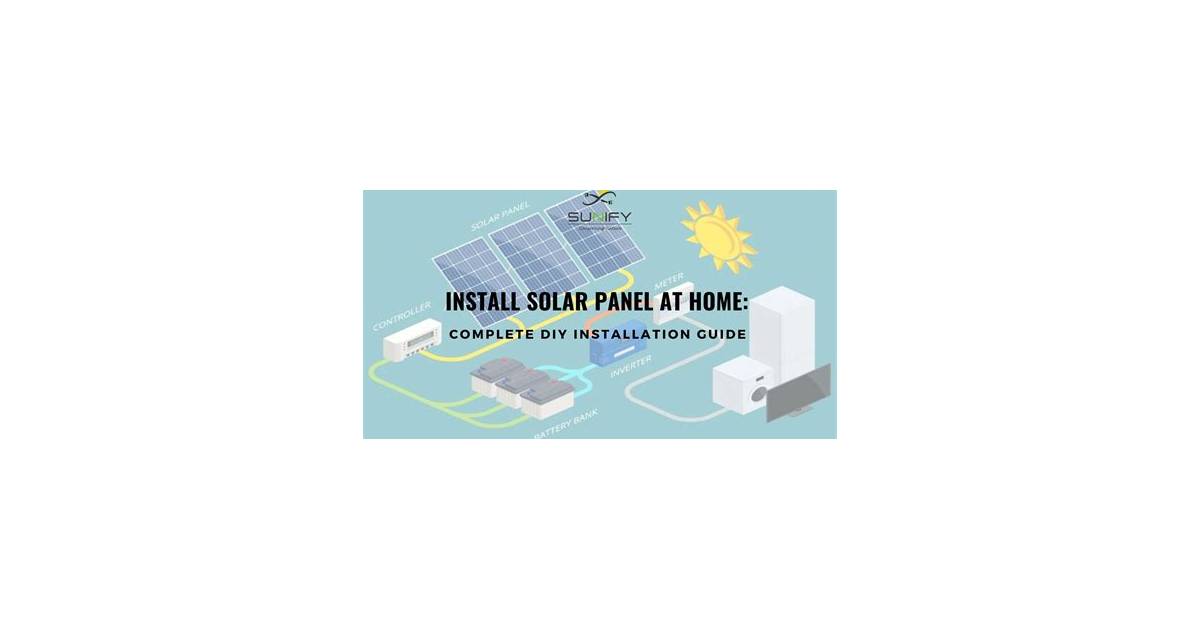
Thinking about switching to solar energy for your home? You’re not alone. More homeowners than ever are harnessing the sun’s power to cut electricity bills and gain energy independence. This guide breaks down everything you need to know—from how solar panels work to choosing the right system, securing incentives, and maintaining your investment.
How Solar Energy Works for Homes
Solar panels convert sunlight into electricity through photovoltaic cells. These cells generate direct current (DC) electricity, which an inverter then converts to alternating current (AC) for home use. Excess energy can be stored in batteries or fed back into the grid.
The Photovoltaic Process Explained
When sunlight hits the solar panels, photons knock electrons loose from atoms, generating DC electricity. The more sunlight available, the more electricity produced. This process is highly efficient in sunny climates but can still generate power on cloudy days, albeit at reduced capacity.
Role of the Inverter
The inverter is crucial—it transforms DC electricity into AC, the standard for household appliances. Without it, solar energy couldn’t power your home. Modern inverters also optimize energy production by tracking the maximum power point (MPPT) of the solar panels, ensuring you get the most out of your system.
Energy Storage and Grid Interaction
Excess energy can be stored in batteries for later use, providing backup power during outages or at night. Alternatively, it can be fed back into the grid, often earning credits through net metering programs. Battery storage is particularly valuable for homeowners seeking energy resilience, as it allows the system to function independently during grid failures.
System Sizing and Load Considerations
To maximize efficiency, your solar energy system should be sized based on your household’s electricity consumption. For example, HVAC systems and electric water heaters are significant energy users and may require larger installations. Smaller loads like lighting and electronics can be prioritized in battery-backed systems for essential backup power.
Trade-offs and Alternatives
While solar panels reduce electricity consumption and offer long-term savings, the upfront cost can be substantial. Solar thermal systems are an alternative for heating water directly, bypassing the need for electricity generation. Additionally, homeowners in areas with frequent grid reliability issues may prioritize battery storage, while others might opt for grid-tied systems without storage to minimize costs.
Benefits of Solar Energy for Homeowners
Switching to solar offers tangible advantages beyond just saving on electricity bills. Key benefits depend on your home’s energy needs, local climate, and whether you pair panels with battery storage.
- Lower electricity bills: Generate your own power and reduce reliance on the grid. Systems with up to 40 kW solar input can cover most household loads, from appliances to EV charging. However, high-demand equipment like HVAC may require careful sizing to maximize solar use.
- Long-term savings: Solar panels pay for themselves over time through energy savings, but the break-even period varies by system cost, local electricity rates, and incentives. Grid-tied systems without batteries offer faster returns, while battery backups add resilience at higher upfront cost.
- Energy resilience: With 10-80 kWh battery storage, keep essential circuits running during outages. Prioritize critical loads like refrigerators or medical equipment—a 24 kW output system can support whole-home backup if properly configured.
- Reduced emissions: Solar is a clean energy source that cuts your carbon footprint. For greater impact, pair it with energy-efficient appliances and timed usage (e.g., running dishwashers during peak sunlight).
Alternative: Solar thermal systems heat water directly, avoiding electricity conversion losses, but won’t power other home systems. Best for households with high hot water demand.
Types of Solar Panels and Their Efficiency
Not all solar panels are created equal. Here’s how the main types stack up.
Monocrystalline Panels
These panels are generally considered efficient but also tend to be more expensive than other options. They perform well in low-light conditions and typically have a long lifespan. Their higher efficiency makes them ideal for homeowners with limited roof space who want to maximize energy output. However, the initial cost can be a barrier for some budgets.
Polycrystalline Panels
Less efficient than monocrystalline panels but often more affordable. They require more space for the same output as monocrystalline panels, making them a better fit for homeowners with ample roof area. While they may not perform as well in low-light conditions, they offer a cost-effective solution for those prioritizing upfront savings over long-term efficiency.
Thin-Film Panels
These panels are reportedly less efficient but lightweight and flexible. They work well for unconventional roof types or portable setups. Thin-film panels are easier to install and can adapt to curved or irregular surfaces, making them a versatile choice for unique architectural designs. However, their lower efficiency means they require more space.
When choosing between these options, consider your roof space, budget, and energy needs. For example, monocrystalline panels may suit higher energy needs due to their higher efficiency. On the other hand, if you’re looking for a more affordable solution and have ample roof space, polycrystalline panels could be a practical choice.
Step-by-Step Guide to Installing Solar Panels
Installing solar panels involves more than just mounting them on your roof. Here’s what to expect.
- Assess your roof: Ensure it’s structurally sound and gets enough sunlight. A south-facing roof with minimal shading is ideal, but east- or west-facing roofs can also work. If your roof is older or damaged, repairs or reinforcement may be needed before installation.
- Get permits: Check local regulations and secure necessary approvals. Permits ensure compliance with building codes and safety standards. Your installer typically handles this, but it’s good to confirm.
- Choose your system: Decide between grid-tied, off-grid, or hybrid systems. Grid-tied systems are common and allow you to sell excess energy back to the utility. Off-grid systems require batteries for energy storage and are ideal for remote locations. Hybrid systems combine both, offering backup power during outages.
- Install panels: Professionals will mount panels, connect wiring, and set up the inverter. Proper alignment and secure mounting are critical for maximizing efficiency and durability. The inverter converts solar energy into usable electricity for your home.
- Inspection: Local authorities will inspect the system before it goes live. This ensures safety and compliance with local codes. Once approved, your utility company will connect the system to the grid, if applicable.
After installation, monitor your system’s performance to ensure it meets your energy needs. Regular maintenance, such as cleaning panels and checking connections, can optimize efficiency. If you’re unsure about any step, consult a professional installer for guidance.
Financial Incentives and Rebates for Solar Energy
Going solar can be cheaper than you think thanks to various incentives. These programs aim to reduce upfront costs and improve long-term savings, making solar energy for home more accessible.
- Federal tax credit: May cover a portion of installation costs—check current IRS guidelines for eligibility and exact percentages. This credit directly reduces your federal tax liability, but it’s non-refundable, meaning you must owe taxes to benefit fully.
- State rebates: Many states offer additional incentives—check your local programs. These can include cash rebates, property tax exemptions, or sales tax waivers. However, availability and amounts vary widely, so verify details with your state’s energy office or utility provider.
- Net metering: Earn credits for excess energy sent back to the grid. This allows you to offset your electricity bill during periods of low solar production, such as at night or during cloudy days. Policies differ by utility, so confirm the rates and terms with your provider.
While incentives can significantly lower costs, consider potential trade-offs. For example, net metering policies may change over time, impacting long-term savings. Additionally, some rebates require specific equipment or installation standards, which could limit your system choices. Always verify eligibility requirements and consult a tax professional or solar installer to maximize your benefits.
How to Choose the Right Solar System for Your Home
Picking the right system depends on your energy needs, roof space, and budget.
- Assess consumption: Review past electricity bills to estimate your needs. Focus on peak usage times and high-demand appliances like HVAC systems, electric water heaters, or EV chargers. This helps determine the required solar capacity and whether additional battery storage is necessary for energy resilience.
- Roof suitability: South-facing roofs with minimal shading are ideal for maximizing solar production. If your roof is east or west-facing, you may need more panels to achieve the same output. Consider structural integrity and available space, as larger systems require more panels.
- Battery storage: Decide if you need backup power during outages. Batteries are essential for maintaining essential loads like refrigerators, lighting, and medical equipment during utility interruptions. However, they add to the upfront cost, so weigh this against your need for energy resilience.
- System size: Match the system’s output to your household’s energy use. Oversizing can lead to wasted energy unless you have net metering, while undersizing may not meet your needs. Consider future expansions, such as adding an EV or upgrading appliances, to ensure scalability.
An alternative to a full home solar system is a solar thermal system, which focuses solely on heating water using sunlight. This can be a cost-effective option if your primary goal is reducing water heating costs rather than overall electricity consumption.
Maintenance and Lifespan of Solar Panels
Solar panels are low-maintenance but not no-maintenance. Here’s how to keep them running efficiently.
- Clean panels: Remove dirt and debris to maintain optimal performance. Dust, bird droppings, or pollen can reduce efficiency significantly. Use a soft brush or hose for cleaning, avoiding abrasive materials that could scratch the surface.
- Monitor output: Use monitoring systems to track energy production. Sudden drops in output may indicate shading issues, panel damage, or inverter problems. Regular monitoring helps identify and address issues early.
- Check inverters: They typically need replacement every 10-15 years. Inverters convert solar energy into usable electricity, and their efficiency declines over time. Budgeting for replacement ensures uninterrupted power.
- Warranty: Most panels come with 25-year warranties, guaranteeing performance over time. However, warranties often cover only manufacturing defects, not wear and tear or environmental damage. Review the terms carefully.
While solar panels require minimal upkeep, neglecting maintenance can reduce their efficiency and lifespan. For example, failing to clean panels regularly can lead to permanent staining or hotspots that degrade performance. Conversely, over-cleaning or using harsh chemicals can damage the protective coating. Balancing care with caution ensures your home solar system operates at peak efficiency for decades.
An alternative to self-maintenance is hiring professional services, which can be cost-effective for larger installations or hard-to-reach panels. However, this adds to the overall cost of your solar power for home setup. Weigh the trade-offs based on your system’s size and accessibility.
Common Mistakes and Best Practices
Avoid these pitfalls to get the most out of your solar investment.
- Underestimating energy needs: Size your system based on actual usage, not guesswork.
- Ignoring shading: Even partial shade can significantly reduce output.
- Skipping permits: Unpermitted installations can lead to fines and complications.
- Choosing the cheapest option: Lower-cost panels may involve trade-offs in long-term performance, according to some vendors.
Examples
Home solar energy can power many household appliances and essential loads during outages, with systems designed for specific needs. For instance, a setup might include a 10 kWh battery paired with a solar array capable of generating up to 40 kW, which can run refrigerators, washing machines, and HVAC systems. This combination reduces grid reliance and provides backup power.
Consider a household with an electric vehicle (EV). Charging the EV during peak solar production ensures that more of the generated electricity is used directly, maximizing efficiency. Alternatively, a solar thermal system could be paired with an electric water heater, heating water directly with sunlight instead of converting it to electricity first.
For those prioritizing energy resilience, a system with up to 80 kWh of storage can keep essential loads operational during extended outages. This might include lighting, routers, and medical equipment, ensuring critical functions remain powered even when the grid is down.
However, solar may not be the optimal fit for every home. In cases with limited roof space or high shading, a smaller system paired with energy-efficient appliances might be more practical. Assess your electricity consumption, roof conditions, and local requirements before committing to a setup.
Overview of Solar Inverters
Solar inverters transform the DC power produced by solar panels into AC electricity for household use. Choosing the right inverter is critical because it determines how efficiently your system operates, what appliances it can support, and whether you can expand your setup in the future.
Modern solar inverters are designed to handle a wide range of household loads, from essential electronics like lights and routers to heavy-duty appliances like refrigerators and HVAC systems. For example, with a system that supports up to 40 kW solar input and 24 kW continuous output, you can power most, if not all, of your home’s daily energy needs. However, high-demand equipment like electric water heaters or EV chargers may require careful sizing to ensure consistent performance.
One common alternative to traditional inverters is a hybrid inverter, which integrates battery storage directly into the system. This setup allows you to store excess solar energy for use during outages or at night, making it ideal for homeowners prioritizing energy resilience. For those focused on long-term savings, pairing your inverter with a battery system (expandable from 10 kWh to 80 kWh) can maximize self-consumption of solar energy, reducing reliance on the grid.
A realistic scenario: If you’re planning to power essential loads during outages—like refrigerators, lights, and communication devices—a whole-home backup inverter paired with battery storage is a smart choice. But if your primary goal is lowering electricity bills, a standard inverter without battery storage might suffice, especially if your utility offers favorable net metering policies.
The key trade-off? While inverters with higher capacity and battery integration offer greater flexibility and resilience, they also come with a higher upfront cost. For homeowners on a budget, starting with a basic inverter and upgrading later is a practical approach. Always consult a professional to ensure your inverter is properly sized for your home’s energy needs.
Livguard: Your Trusted Solar Partner
Livguard offers robust solar energy systems designed to power your entire home efficiently, from everyday appliances to essential loads during outages. Their solutions are tailored for homeowners seeking long-term energy savings, resilience, and reduced emissions.
The system supports up to 40 kW solar input and 24 kW continuous output, making it suitable for larger households with significant energy demands. Storage capacity starts at 10 kWh and can expand to 80 kWh, ensuring you have ample backup power during utility interruptions.
Livguard’s whole-home backup focus distinguishes it from competitors. Unlike systems that only power essential circuits, Livguard’s design ensures that larger household loads—like HVAC systems and electric water heaters—remain operational during outages. This makes it ideal for homeowners prioritizing energy resilience.
One of the standout features is its compatibility with EV charging. By charging your electric vehicle during peak solar production hours, you maximize the use of on-site generated electricity, reducing reliance on the grid and lowering energy costs.
However, Livguard’s systems may not be the ideal fit if you’re looking for a smaller, budget-friendly solution. For simpler setups—like powering lights and electronics—a basic solar kit might suffice. Additionally, while Livguard’s expandable storage is an advantage, the initial investment can be higher compared to systems with fixed capacity.
For homeowners wanting to reduce electricity consumption and achieve energy independence, Livguard’s scalable, high-capacity systems are a reliable choice. Their focus on whole-home backup and EV compatibility makes them a strong contender in the residential solar market.
Summing Up
Home solar energy systems can power everything from lights and appliances to HVAC systems, with the right setup. They offer energy resilience during outages and reduce reliance on the grid, while also lowering electricity bills and emissions over time.
Modern systems like this one support up to 40 kW solar input and 24 kW continuous output, making them capable of handling whole-home energy needs. Storage options range from 10 kWh to 80 kWh, allowing you to balance capacity with your usage patterns and budget.
Whether you need a solar battery depends on your goals. If energy independence during outages is a priority, a battery is essential. However, if you’re primarily aiming to offset daytime grid usage, you might opt for a grid-tied system without storage.
When choosing a system, consider your energy consumption, roof space, and local sunlight hours. A smaller system might suffice for modest needs, while larger households or those with electric vehicles often benefit from higher capacity setups.
Alternatives like community solar programs or smaller solar generators can be worth exploring if a full home system isn’t feasible. Each option has trade-offs, so weigh upfront costs, long-term savings, and your energy goals carefully.
Do You Need a Solar Battery for Your Home?
A solar battery isn’t mandatory for every home solar system, but it’s essential if you want energy resilience or to maximize savings. Without a battery, excess energy generated during the day is sent back to the grid, and you’ll rely on grid power at night or during outages. With one, you can store that energy for use when the sun isn’t shining, reducing your dependence on the grid.
Consider a battery if you live in an area with frequent power outages or time-of-use electricity rates. For example, homeowners in California or Texas often choose batteries to avoid high peak-hour charges or to maintain power during storms. A system with 10 kWh to 80 kWh storage can power everything from lights to refrigerators during an outage, making it a practical choice for whole-home backup.
That said, a battery adds significant upfront cost to your solar setup. If your primary goal is reducing your electricity bill and outages are rare, you might opt for a grid-tied system without storage. In this case, you’ll still benefit from lower energy consumption and reduced emissions, even if you’re not entirely self-sufficient.
Key Takeaways
- Solar panels convert sunlight into electricity through photovoltaic cells, with inverters transforming DC to AC for home use.
- Monocrystalline panels are generally considered efficient, while thin-film panels are more flexible but tend to be less efficient.
- Federal tax credits and state rebates may help reduce solar energy system costs—check current guidelines for eligibility and details.
- Proper maintenance, including cleaning and monitoring, ensures your solar panels operate efficiently for their 25+ year lifespan.
- Avoid common mistakes like underestimating energy needs or ignoring shading when installing solar panels.
Frequently Asked Questions
What is the best solar panels for home use?
Monocrystalline panels are often chosen for home use due to their efficiency and durability. They typically perform well in low-light conditions, making them a common choice for residential rooftops.
What size solar panels for home?
The size depends on your energy consumption and roof space. Most homes need a 5-10 kW system, which typically requires 15-30 panels (each around 1.6m x 1m). Review your electricity bills to determine the right size.
How to calculate solar panel for home?
Calculate your average monthly electricity usage in kWh, then divide by 30 for daily usage. Multiply by 1.2 to estimate system needs accounting for inefficiencies. For example, a household using 900 kWh/month may need a system sized to meet typical daily energy needs, though actual production depends on sunlight and system efficiency.
How to apply solar panel for home?
Start by assessing your roof’s suitability and energy needs. Get quotes from multiple installers, check for local incentives, and secure permits. Professional installers will handle the rest, including inspections and grid connection.
Final Verdict
Solar energy for home is a smart investment for homeowners looking to cut electricity costs and reduce their carbon footprint. The right system—whether monocrystalline, polycrystalline, or thin-film—depends on your budget, roof space, and energy needs. Take advantage of federal and state incentives to lower upfront costs, and don’t overlook the importance of proper maintenance. If you’re ready to take the next step, consult a reputable solar installer to assess your home’s potential and design a system tailored to your needs.
Affiliate disclosure: This article contains affiliate links. If you buy through them, we may earn a commission at no extra cost to you.

Similar Posts





[…] 2kWh, which a 1kWh station handles fine. And if you want a permanent wall-mounted battery tied to home solar arrays, a fixed system wins on cost per […]
[…] you’re still sizing panels, our walkthrough on a rooftop array plan is a sensible place to […]
[…] panels can realistically refill the pack in 4 to 6 hours of decent sun. If you’re mapping out rooftop solar planning or a panel array for basecamp, that input ceiling matters more than the panel […]
[…] you’re sizing a panel array from scratch, the fundamentals in this guide to home solar fundamentals translate directly to portable […]
[…] you want deeper background on matching a battery to a load, our solar setup notes cover the sizing […]
[…] home troubleshooting if the power station will not accept an approved charger or the recovery steps in its manual have […]
[…] of 400W to 500W panels can refill it in about 1.5 to 2 hours of strong sun. The same math behind residential solar planning scales down here, and the same real-world penalty applies: clouds can cut output by half or more, […]
[…] Solar Energy for Home: Complete Guide to Powering Your House […]
[…] before departure and consider compatible solar or vehicle-charging equipment for a longer stay. Solar output depends on panel compatibility, sunlight and placement; shade can reduce the energy collected. […]